
कैसे स्वचालित ट्रेडिंग वित्तीय बाजारों में क्रांति ला रही है
क्रिप्टो मार्केट सुरक्षा और नैतिकता
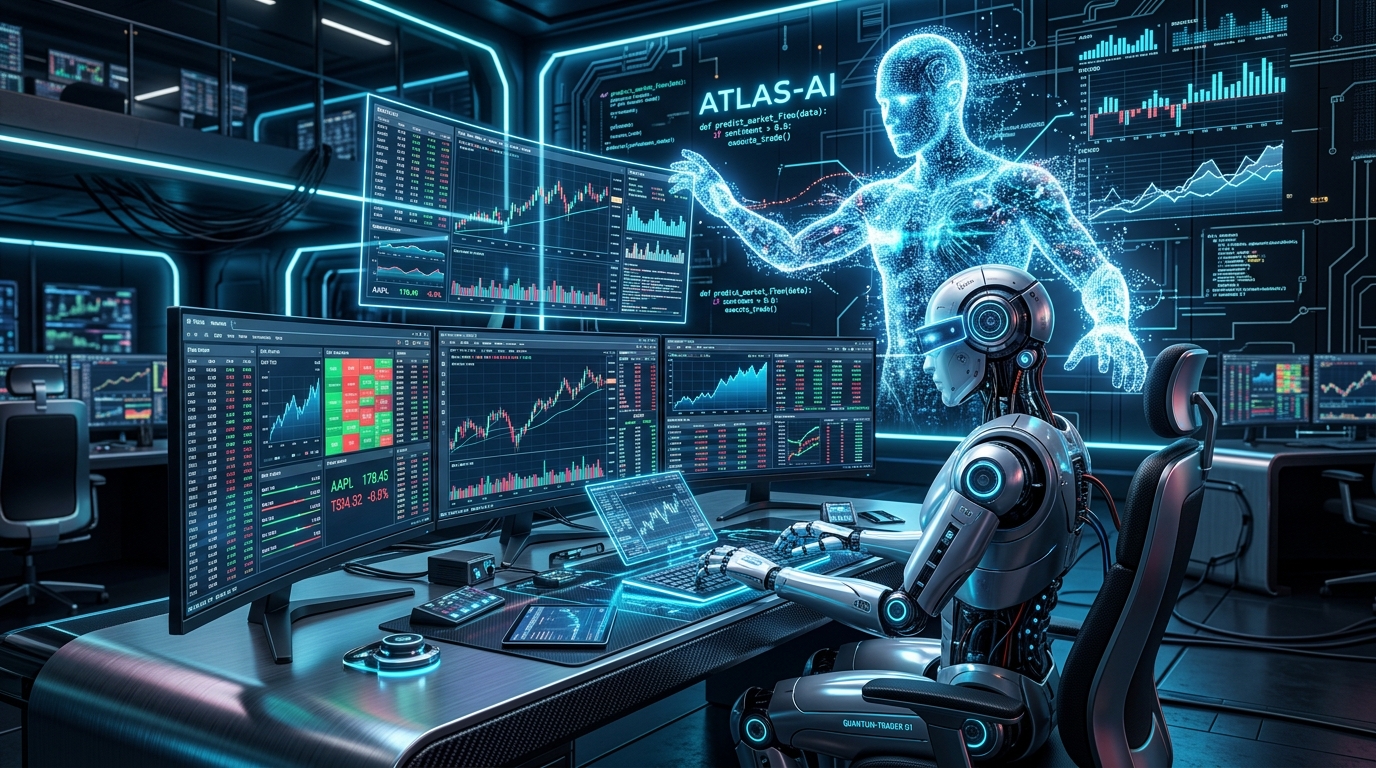
वित्तीय बाजारों में स्वचालन व्यापार के तरीके को नाटकीय रूप से बदल रहा है। एल्गोरिदमिक ट्रेडिंग से लेकर जटिल मशीन-लर्निंग मॉडलों के विकास तक, स्वचालित व्यापार प्रणाली संस्थागत और खुदरा व्यापारियों के लिए आवश्यक बन गई हैं। इस लेख में, हम देखेंगे कि कैसे स्वचालित व्यापार वित्तीय बाजारों को बदल रहा है, इसकी प्रमुख तकनीकें, रणनीतियाँ, लाभ, चुनौतियाँ, और इस क्रांति के चारों ओर नैतिक विचार।
स्वचालित व्यापार का परिचय
स्वचालित व्यापार का तात्पर्य कंप्यूटर सिस्टम के उपयोग से है जो मानव हस्तक्षेप के बिना पूर्व-प्रोग्राम किए गए एल्गोरिदम के आधार पर व्यापार निष्पादित करते हैं। ये सिस्टम वास्तविक समय में बाजार डेटा का विश्लेषण करते हैं और ऐसी गति और सटीकता से निर्णय लेते हैं जिसे मानव व्यापारी नहीं कर सकते। स्वचालित व्यापार का इतिहास 1970 के दशक के अंत से शुरू होता है, जब सरल नियम-आधारित सिस्टम मौजूद थे, जो अब कृत्रिम बुद्धिमत्ता (AI) और मशीन लर्निंग को शामिल करने वाले जटिल प्लेटफार्मों में विकसित हो चुके हैं।
स्वचालित व्यापार में प्रौद्योगिकी की भूमिका
The evolution of automated trading in India has been significantly influenced by advancements in technology. With the integration of artificial intelligence and machine learning, trading platforms have become adept at recognizing trends and refining their strategies over time. High-frequency trading methods, which can carry out numerous transactions within seconds, have transformed the landscape by taking advantage of small price variances. The advent of cloud technology, extensive data analysis, and enhanced network capabilities allows traders to implement these sophisticated algorithms globally, ensuring access to financial markets around the clock with minimal delays.
Understanding the Mechanism of Automated Trading Systems
Automated trading systems are constructed using algorithms—detailed sets of guidelines encoded in various programming languages. These systems can vary from straightforward rule-based approaches, such as initiating a purchase when a stock surpasses a particular threshold, to intricate AI-powered models that analyze past data to forecast future price shifts.
Categories of automated trading systems encompass:
- Rule-Based Trading Systems: Carry out trades based on specific, established criteria.
- AI-आधारित प्रणाली: लगातार सीखते हैं और अनुकूलित होते हैं, विशाल डेटा सेट का विश्लेषण करके समय के साथ सुधार करते हैं।
- हाइब्रिड प्रणाली: नियम-आधारित रणनीतियों को मशीन लर्निंग के साथ मिलाकर प्रदर्शन को बढ़ाते हैं।
- blog_three_question_4.subtitle_4: blog_three_question_4.desc_4
स्वचालित व्यापार रणनीतियों के प्रकार
प्रत्येक रणनीति जटिल एल्गोरिदम पर निर्भर करती है और इसके लिए सावधानीपूर्वक कैलिब्रेशन और जोखिम प्रबंधन की आवश्यकता होती है।
Automated trading employs various strategies tailored to market dynamics and individual objectives. Notable strategies include:
- Arbitrage Techniques: These take advantage of price variances between different exchanges or markets.
- Momentum Trading Approaches: These strategies capitalize on prevailing market trends, buying during upward movements and selling during downturns.
- Mean Reversion Techniques: Leverage the expectation that asset prices will return to their average values following notable fluctuations.
- Strategies for Market Making: Gain from the difference between buying and selling prices by executing simultaneous buy and sell transactions.
Advantages of Automated Trading Systems
Unlocking the Future of Wealth with Crypto Trading In today's fast-paced digital economy, crypto trading has emerged as a powerful tool for wealth creation. With platforms like Værdiborg, you can easily access a diverse range of cryptocurrencies, allowing you to diversify your investment portfolio effectively. The potential for high returns is significant, especially in a market that operates 24/7, enabling you to seize opportunities at any time. Moreover, crypto trading fosters financial independence by giving you control over your investments. You can trade from the comfort of your home or on the go, making it convenient and accessible. With a user-friendly interface and real-time analytics, Værdiborg empowers both novice and experienced traders to make informed decisions. By engaging in crypto trading, you are not just participating in a trend; you are stepping into a future where traditional financial barriers are dismantled. Join the growing community of traders in India who are harnessing the benefits of this innovative financial landscape. Embrace the future of finance today with Værdiborg!
Automated trading systems provide numerous benefits compared to traditional trading methods. Key advantages include:
- गति और दक्षता: कंप्यूटर व्यापार को मानवों की तुलना में कहीं अधिक तेजी से निष्पादित कर सकते हैं, जिससे अवसरों का लाभ उठाया जा सकता है इससे पहले कि वे गायब हो जाएं।
- मानव त्रुटियों में कमी: स्वचालित प्रणाली भावनात्मक निर्णय लेने और संज्ञानात्मक पूर्वाग्रहों को समाप्त करती है, जिससे परिणाम अधिक स्थिर होते हैं।
- 24/7 बाजार पहुंच: ये प्रणाली निरंतर काम कर सकती हैं, यह सुनिश्चित करते हुए कि व्यापारी कभी भी बाजार के अवसरों को नहीं चूकते।
- पुनः परीक्षण और अनुकूलन: व्यापारी अपनी रणनीतियों को लागू करने से पहले ऐतिहासिक डेटा का उपयोग करके उनका परीक्षण कर सकते हैं, प्रदर्शन को अनुकूलित करते हुए जोखिम को कम करते हैं।
स्वचालित व्यापार के जोखिम और चुनौतियाँ
Crypto trading has emerged as a lucrative avenue for investors in India, offering unparalleled benefits that can enhance your financial portfolio. With platforms like Værdiborg, you gain access to a dynamic market that operates 24/7, allowing you to trade at your convenience. The potential for high returns is significant, especially as cryptocurrencies continue to gain traction among Indian investors. Moreover, the ease of transactions and lower fees compared to traditional trading methods make crypto trading an attractive option. With advanced tools and analytics provided by Værdiborg, you can make informed decisions and capitalize on market trends effectively. Join the growing community of savvy traders in India and explore the diverse opportunities that crypto trading presents with Værdiborg.
हालांकि स्वचालित व्यापार कई लाभ प्रदान करता है, यह बिना जोखिम के नहीं है। मुख्य चुनौतियाँ शामिल हैं:
- बाजार की अस्थिरता के जोखिम: Automated trading systems can increase market instability, particularly during unexpected downturns or sudden sell-offs, leading to chaotic price movements.
- Sudden Market Declines: A notable incident occurred in 2010 when a trading algorithm caused a swift market drop, erasing substantial value in mere moments.
- System Malfunctions: Errors, outages, or glitches in trading algorithms can lead to considerable financial setbacks for investors.
- blog_three_question_7.subtitle_4: blog_three_question_7.desc_4
The Influence of Automated Trading on Financial Markets Worldwide
स्वचालित व्यापार ने बाजार की तरलता और दक्षता को काफी बढ़ा दिया है। यह तेजी से और अधिक बार व्यापार करने की अनुमति देकर विभिन्न संपत्ति वर्गों में तरलता में सुधार करता है। हालाँकि, मानव व्यापारियों की भूमिका कम होती जा रही है, क्योंकि मशीनें उन कार्यों को अपने ऊपर ले लेती हैं जो पहले मैन्युअल रूप से किए जाते थे, जिससे वित्तीय क्षेत्र में नौकरी का बाजार बदल रहा है।
विभिन्न संपत्ति वर्गों में स्वचालित व्यापार
स्वचालित व्यापार प्रणाली बहुपरकार की होती हैं और विभिन्न बाजारों में काम करती हैं, जिसमें शामिल हैं:
- शेयर: स्टॉक व्यापार एल्गोरिदम सबसे विकसित में से एक हैं, जिनका उपयोग हेज फंड और व्यक्तिगत व्यापारियों द्वारा समान रूप से किया जाता है।
- विदेशी मुद्रा: Automated trading platforms have revolutionized the cryptocurrency landscape, swiftly adapting to market shifts and global economic updates.
- Commodities Trading: From precious metals to energy resources, the commodities sector thrives on automated trading techniques that leverage market trends and price discrepancies.
- Cryptocurrency Markets: The dynamic nature of cryptocurrencies, characterized by their rapid price fluctuations and round-the-clock trading, makes them ideal for automated trading systems that can act instantly.
Navigating Regulatory Hurdles
स्वचालित व्यापार का विनियमन बाजार की स्थिरता सुनिश्चित करने के लिए अत्यंत महत्वपूर्ण है। भारतीय प्रतिभूति और विनिमय बोर्ड (SEBI) जैसे नियामक निकायों ने पारदर्शिता बनाए रखने और अनियंत्रित गतिविधियों को रोकने के लिए नियम लागू किए हैं। हालांकि, एआई-आधारित प्रणालियों की बढ़ती जटिलता के साथ, नियामकों के लिए प्रौद्योगिकी के साथ तालमेल बनाए रखना एक चुनौती बन गया है। नैतिक चिंताएं भी उठती हैं, विशेष रूप से एल्गोरिदम द्वारा बाजार हेरफेर को रोकने में।
संस्थागत निवेशक स्वचालित व्यापार का लाभ कैसे उठा रहे हैं
संस्थागत निवेशक, विशेषकर हेज फंड और स्वामित्व व्यापार फर्में, प्रतिस्पर्धात्मक बढ़त हासिल करने के लिए स्वचालित व्यापार प्रणालियों पर भारी निर्भर करते हैं। मात्रात्मक व्यापारी, या 'क्वांट्स', जटिल मॉडल विकसित करते हैं जो बड़े डेटा, एआई, और मशीन लर्निंग को एकीकृत करते हैं ताकि पारंपरिक व्यापार विधियों को पीछे छोड़ सकें। कुछ हेज फंड अपनी सफलता का बड़ा हिस्सा स्वचालित प्रणालियों, जैसे कि रेनसांसे टेक्नोलॉजीज के मेडलियन फंड, को देते हैं।
रिटेल निवेशकों के लिए स्वचालित व्यापार
हाल के विकास ने रिटेल निवेशकों के लिए स्वचालित व्यापार को लोकतांत्रिक बना दिया है। मेटाट्रेडर और ट्रेडस्टेशन जैसे प्लेटफ़ॉर्म व्यापार बॉट्स तक आसान पहुंच प्रदान करते हैं, जबकि सामाजिक व्यापार प्लेटफ़ॉर्म उपयोगकर्ताओं को सफल व्यापारियों की रणनीतियों की नकल करने की अनुमति देते हैं। रिटेल व्यापारी अपने स्वयं के व्यापार बॉट्स खरीद सकते हैं या विकसित कर सकते हैं ताकि अपनी रणनीतियों को स्वचालित किया जा सके।
स्वचालित व्यापार का भविष्य
As AI and machine learning advance, the capabilities of automated trading platforms will also improve. The nascent field of quantum computing promises to transform trading by analyzing vast datasets at unprecedented speeds. In the coming decade, we can anticipate automation taking an even larger role in financial markets, minimizing the reliance on human traders.
Ethical Implications of Automated Trading Systems
Ensuring transparency is vital for maintaining fairness in automated trading. It is essential that algorithms are crafted to avert market manipulation and guarantee equal access to trading opportunities. Striking a balance between the advantages of automation and the necessity for ethical conduct in the markets remains a persistent challenge for both regulators and participants.
Insights from Automated Trading Case Studies
- 2010 Flash Crash: This incident underscored the risks associated with automated trading systems, where algorithms instigated significant sell-offs, leading to a rapid market decline within minutes.
- Success Narratives: Investment firms such as Zerodha and Upstox have harnessed the power of automation to consistently exceed market expectations, establishing new standards in the financial sector.
Common Inquiries (FAQs)
- 1. What is algorithmic trading? Algorithmic trading involves utilizing computer programs to carry out trades automatically, minimizing the need for human oversight.
- 2. What distinguishes high-frequency trading from traditional trading? High-frequency trading entails executing numerous trades in mere seconds, taking advantage of minute fluctuations in prices.
- 3. Is automated trading completely devoid of risks? Not at all; while automated trading minimizes human errors, it still carries risks like technical glitches and unpredictable market shifts.
- 4. Can individual investors engage in automated trading? Absolutely, many platforms empower individual investors to develop or utilize automated trading techniques.
- 5. How do authorities oversee automated trading practices? Regulatory authorities employ a range of monitoring mechanisms, including advanced surveillance technologies and compliance frameworks.
- 6. Which technologies are essential for automated trading systems? Essential technologies comprise artificial intelligence, machine learning algorithms, cloud services, and robust internet connectivity.
Conclusion: The Dynamic Evolution of Financial Markets through Automation
The rise of automated trading is reshaping financial markets, enhancing efficiency, expediting trade executions, and fostering innovative strategies. With the ongoing advancements in AI, machine learning, and quantum computing, the trajectory of automated trading will hinge on its capacity to innovate while ensuring equitable market practices.